Best retro handhelds for PS2 and GameCube: stated hardware
Six handhelds ordered by the chip, memory and cooling their makers list. No device here is tested, and no maker promises PS2 or GameCube performance.
By Sepehr Sabbagh-pourPublished 14 Oct 2026Updated 9 Nov 202610 min read

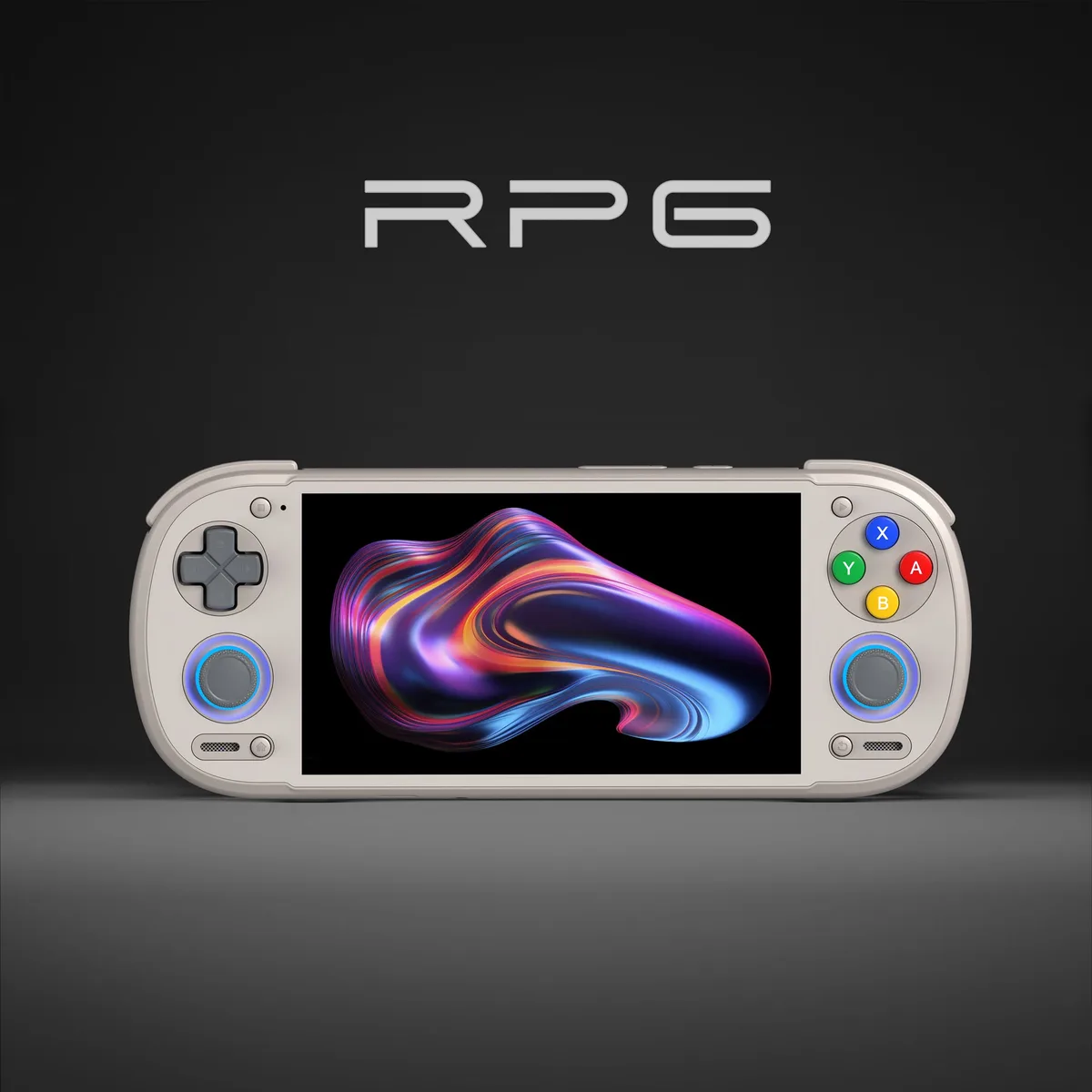
Judged only on what makers state, the Retroid Pocket 6 lists the most hardware for PS2 and GameCube attempts: a Snapdragon 8 Gen 2 with up to 3.2GHz, LPDDR5x RAM and active cooling. The AYN Thor and Odin 2 Portal share the chip. No maker promises PS2 or GameCube performance, and we have run no tests.
UK prices are not checked yet, and dollar figures are the makers' own, dated Oct 2026 and never converted. Anyone searching for a handheld that can attempt heavier emulation is really asking which devices carry the most processing hardware in a pocket body, so this guide orders six devices by stated chip, memory and cooling and says where the makers are silent.
How we narrowed the list
We group the devices into entry, mid, high and flagship tiers ourselves, from the chips and RAM the makers state. This guide takes the five devices built on a Snapdragon 8 Gen 2 or SD865 (Retroid Pocket 6, AYN Thor, AYN Odin 2 Portal, Retroid Pocket 5 and Flip 2), plus the one mid-tier device, the Anbernic RG556, whose stated RAM and fan sit alongside them at a similar price. The entry-tier devices are left out on purpose, because this guide is about the top of the stated-hardware ladder.
Three kinds of figure matter for heavier systems, and all three come from the maker pages:
- The processor and graphics chip. The number of fast cores, their clock speeds and the GPU named.
- Memory. How many gigabytes and what type of RAM.
- Cooling. Whether the maker lists a fan or other active cooling. How well it works is not something we can say.
For background on the chip names, see our chips explainer.
The headroom ladder: six devices on stated hardware
| Device | Our grouping | CPU (maker) | GPU | RAM | Cooling | Maker price (checked Oct 2026) |
|---|---|---|---|---|---|---|
| Retroid Pocket 6 | Flagship | Snapdragon 8 Gen 2: 1 core at 3.2GHz, 4 at 2.8GHz, 3 at 2.0GHz | Adreno 740 at 680MHz | 8GB or 12GB LPDDR5x | Active cooling | $244 (8GB) |
| AYN Thor | Flagship | Snapdragon 8 Gen 2: 1 core at 3.2GHz, 4 at 2.8GHz, 3 at 2.0GHz (Lite: SD865, with A77 and A55 cores) | Adreno 740 (Adreno 650 on the Lite) | 8GB to 16GB | Not stated | $259 to $579 |
| AYN Odin 2 Portal | Flagship | Snapdragon 8 Gen 2: 1 core at 3.2GHz, 4 at 2.8GHz, 3 at 2GHz | Adreno 740 | 8GB, 12GB or 16GB | Active cooling | $259 to $449 |
| Retroid Pocket 5 | High | Snapdragon 865: 1 A77 at 2.8GHz, 3 at 2.4GHz, 4 A55 at 1.8GHz | Adreno 650 | 8GB LPDDR4x at 2133MHz (page text says 12GB) | Active cooling | $179 |
| Retroid Pocket Flip 2 (SD865) | High | SD865: same core layout as the Pocket 5 | Adreno 650 | 8GB LPDDR4x at 2133MHz (page text says 12GB) | Active cooling | $189 |
| Anbernic RG556 | Mid | Unisoc T820: 1 A76 at 2.7GHz, 3 at 2.3GHz, 4 A55 at 2.1GHz | Quad-core Mali-G57 at 850MHz | 8GB LPDDR4X | Fan with heat pipe | $179.99 |
Reading the table
Three things stand out. First, the two Retroid devices on the lower rows share a core layout, GPU and RAM figure, so the differences the maker states are the price ($179 and $189) and the body (280g and 199.2 x 78.5 x 15.6 mm for the Pocket 5, 306g and 140.5 x 89.5 x 24.4 mm for the Flip 2). Second, the RG556 lists a different chip family from the Retroids, with a stated fan, at a price within a dollar of the Pocket 5. Third, the Thor's cooling cell is blank, which is why we cannot place it against the others on that row. A blank is not a weakness; it is information we do not have.
What each stated figure tells you
Cores and clock speeds
Every chip in the table lists eight cores in a 1 + 3 + 4 or 1 + 4 + 3 arrangement: one fast core, then a group of mid cores and a group of efficiency cores. The Snapdragon 8 Gen 2 devices list a top core at 3.2GHz, against 2.8GHz on the SD865 and 2.7GHz on the T820. That is 0.4GHz, about 14 percent, above the SD865 figure. Clock speed is not a score: the chips are different designs, and no maker states how any of them handles a given system, so use the clocks to place devices in order of stated hardware, nothing more.
Memory
The makers list 8GB as the common figure, with 12GB and 16GB options on the Thor, Odin 2 Portal and Pocket 6. Memory type is a second line: the Pocket 6 states LPDDR5x, while the Pocket 5 and Flip 2 state LPDDR4x at 2133MHz and the RG556 states LPDDR4X. More gigabytes is more room, but the makers do not say how much any system needs, so a bigger figure is headroom on paper and not a promise.
Cooling
The Pocket 6, Pocket 5, Flip 2 and Odin 2 Portal list active cooling, and the RG556 lists a fan with a heat pipe. The Thor lists none. A fan changes how much heat a device can shed, but the makers give no temperatures, noise levels or sustained figures, so we cannot say how much difference it makes.
Battery against weight
Dividing the stated battery by the stated weight gives a rough capacity per gram: about 17.9 mAh per gram for the Pocket 5 (5000 mAh, 280g), 16.3 for the Flip 2 (5000 mAh, 306g), 16.6 for the RG556 (5500 mAh, 331g), 15.8 for the Thor (6000 mAh, 380g) and 18.6 for the Odin 2 Portal (8000 mAh, 430g). The Pocket 6 states 6000 mAh but no weight. This is arithmetic only: the makers state no battery life in hours for the Retroid, AYN or Odin 2 Portal pages, and the RG556 claims 8 hours without saying what was playing.
The picks, from most stated headroom down
1. Retroid Pocket 6: the most stated hardware in a single-screen body
Retroid lists a top core at 3.2GHz and pairs it with LPDDR5x memory and an Adreno 740 GPU at 680MHz. The Pocket 6 is the only device here whose maker states LPDDR5x memory. It also lists active cooling, a 5.5 inch AMOLED at 1080p and 120Hz, Wi-Fi 7 and a 6000 mAh battery, the largest among the single-screen picks except the Odin 2 Portal. Those are the figures that put it at the head of the ladder. The maker states a size of 205.5 x 80.5 x 17.2 mm but no weight, and it gives no list of systems it handles. The 8GB models show $244 and the 12GB model $279 (checked Oct 2026), and the page does not say whether the $229 comparison price is current. See the Pocket 6 page, or the Pocket 5 against Pocket 6 data page.
2. AYN Thor: the widest memory range, with the cooling unstated
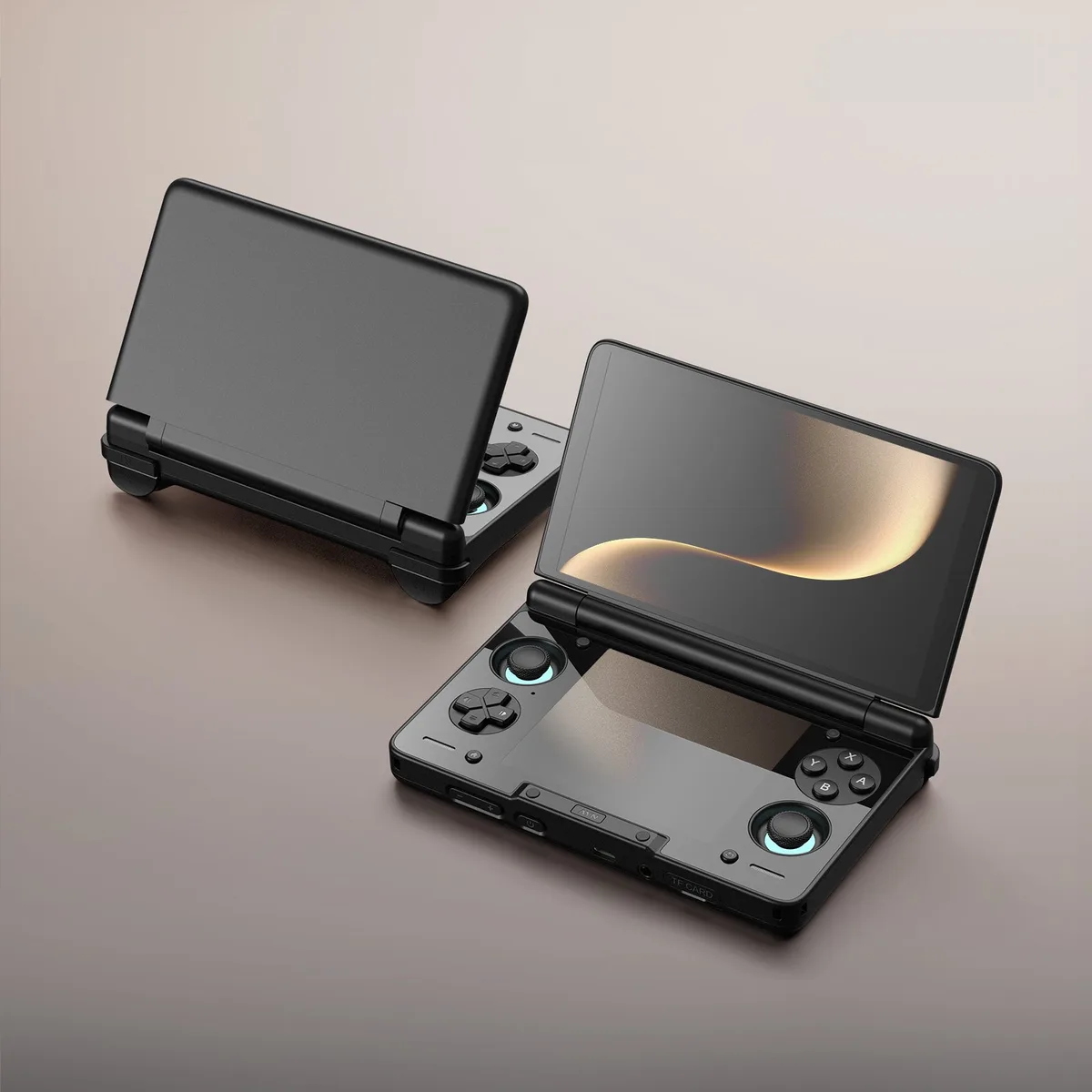
The Thor offers the greatest range of configurations: the Lite pairs an SD865 with 8GB, and the Max versions pair a Snapdragon 8 Gen 2 with 16GB. If memory matters most to you, the Max is the version to look at, and it costs the most: $479 for 512GB and $579 for 1TB (checked Oct 2026). Against that, AYN states an Adreno 740 GPU (Adreno 650 on the Lite), 380g, 150 x 94 x 25.6 mm and Wi-Fi 7 with Bluetooth 5.3 (Wi-Fi 6 and Bluetooth 5.1 on the Lite), but states no cooling. It has two screens, a 6 inch AMOLED and a 3.92 inch AMOLED touch display. The page is also a pre-order page. See the Thor page, or set it against the Pocket 6 on the data page.
3. AYN Odin 2 Portal: the same chip in a larger, heavier body
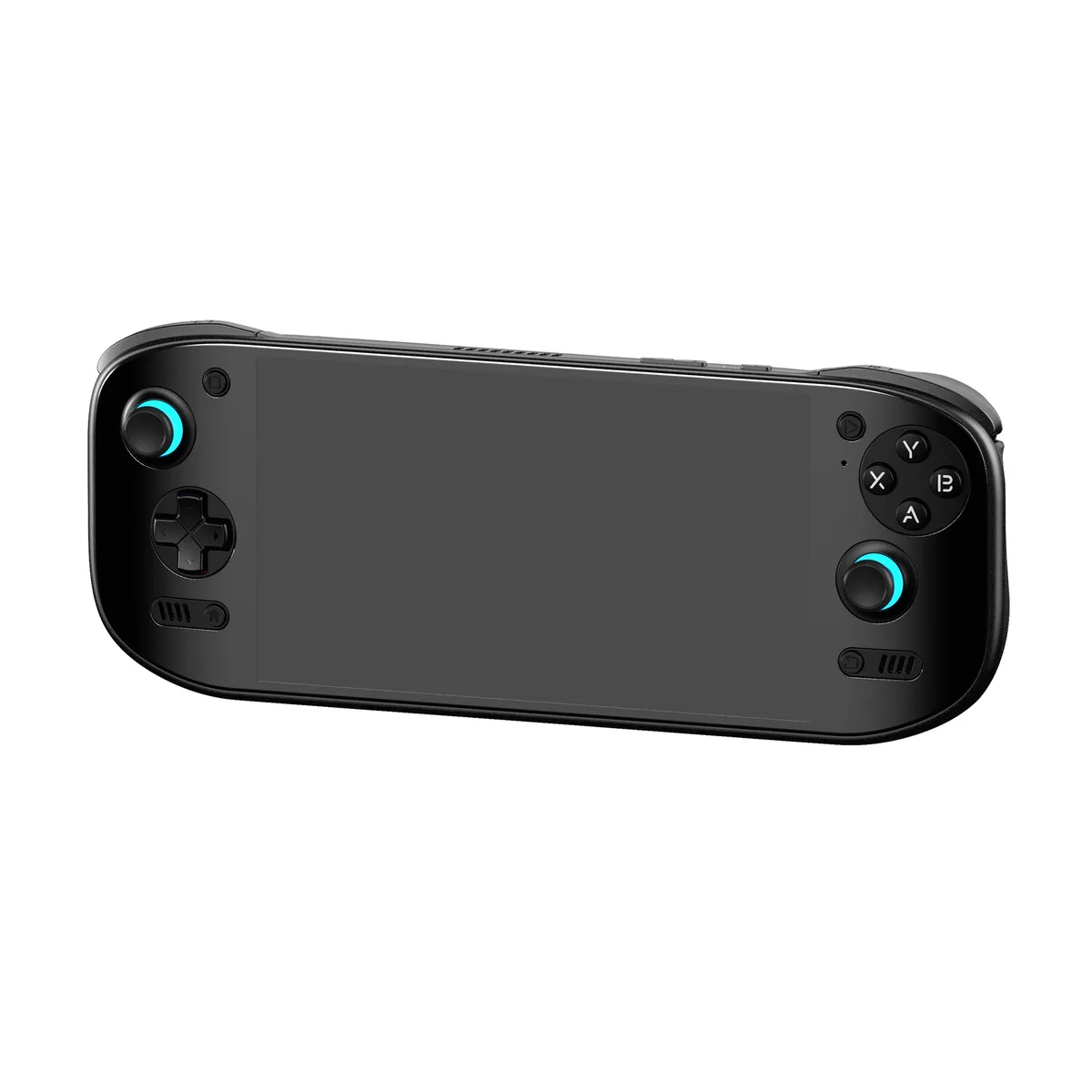
The Odin 2 Portal lists a Snapdragon 8 Gen 2 with an Adreno 740 GPU, active cooling, a 7 inch 1080p 120Hz OLED, an 8000 mAh battery with 27W charging, Wi-Fi 7 and Bluetooth 5.3. The Base model has 8GB of RAM and 128GB of storage; the Pro has 12GB and 512GB; the Max has 16GB and 1TB. At 430g and 257 x 98.6 x 17.2 mm it is the largest device here. The maker's page text gives almost no specs and the figures sit in images, and it states no battery life in hours. Variant prices are $259, $369 and $449, with a $329 regular price shown beside the headline figure, and the Base in Black was backordered when checked (Oct 2026).
4. Retroid Pocket 5: the same core layout as the Flip 2, with a RAM conflict
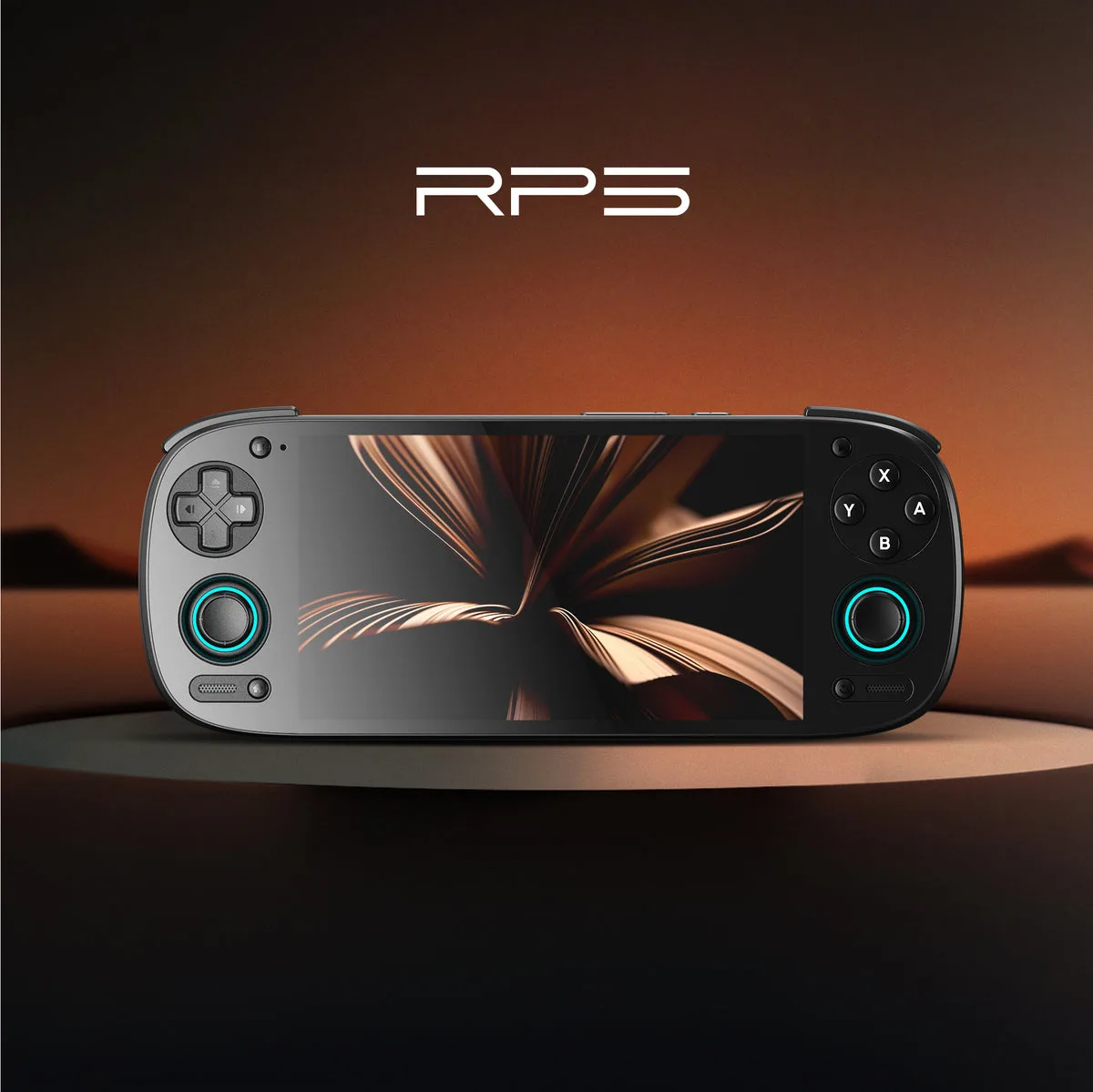
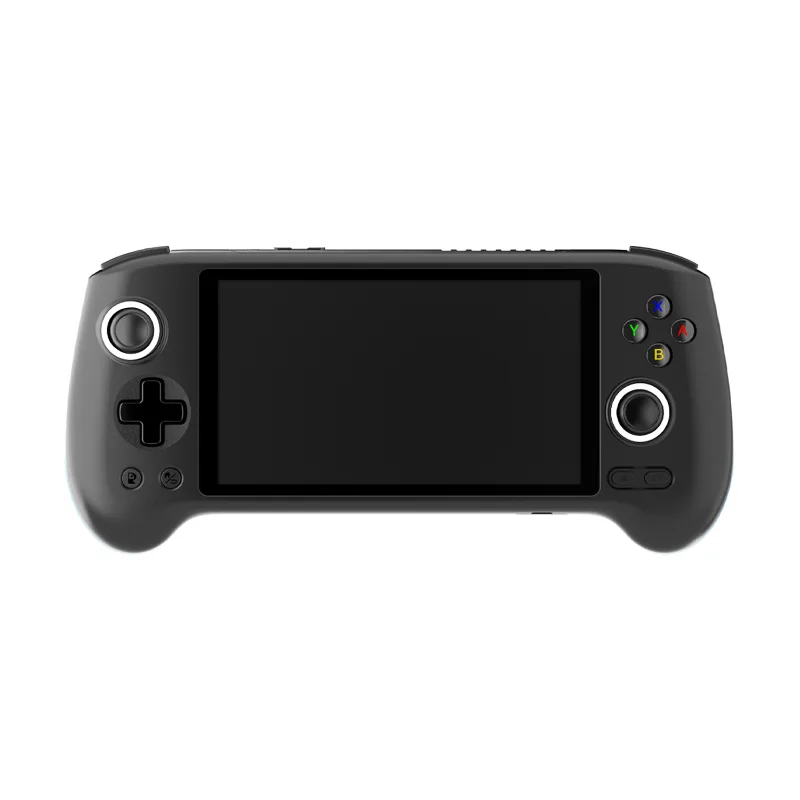
Retroid lists a Snapdragon 865 (on its spec image) with an Adreno 650 GPU, LPDDR4x memory running at 2133MHz, active cooling and a 5000 mAh battery, at 280g. The page text says 12GB of RAM but the spec image says 8GB, so we use the lower figure. It is the cheapest of the Snapdragon devices here at $179, with $209 also shown as a regular price (checked Oct 2026). The store page showed a sold-out label when checked. See the Pocket 5 page.
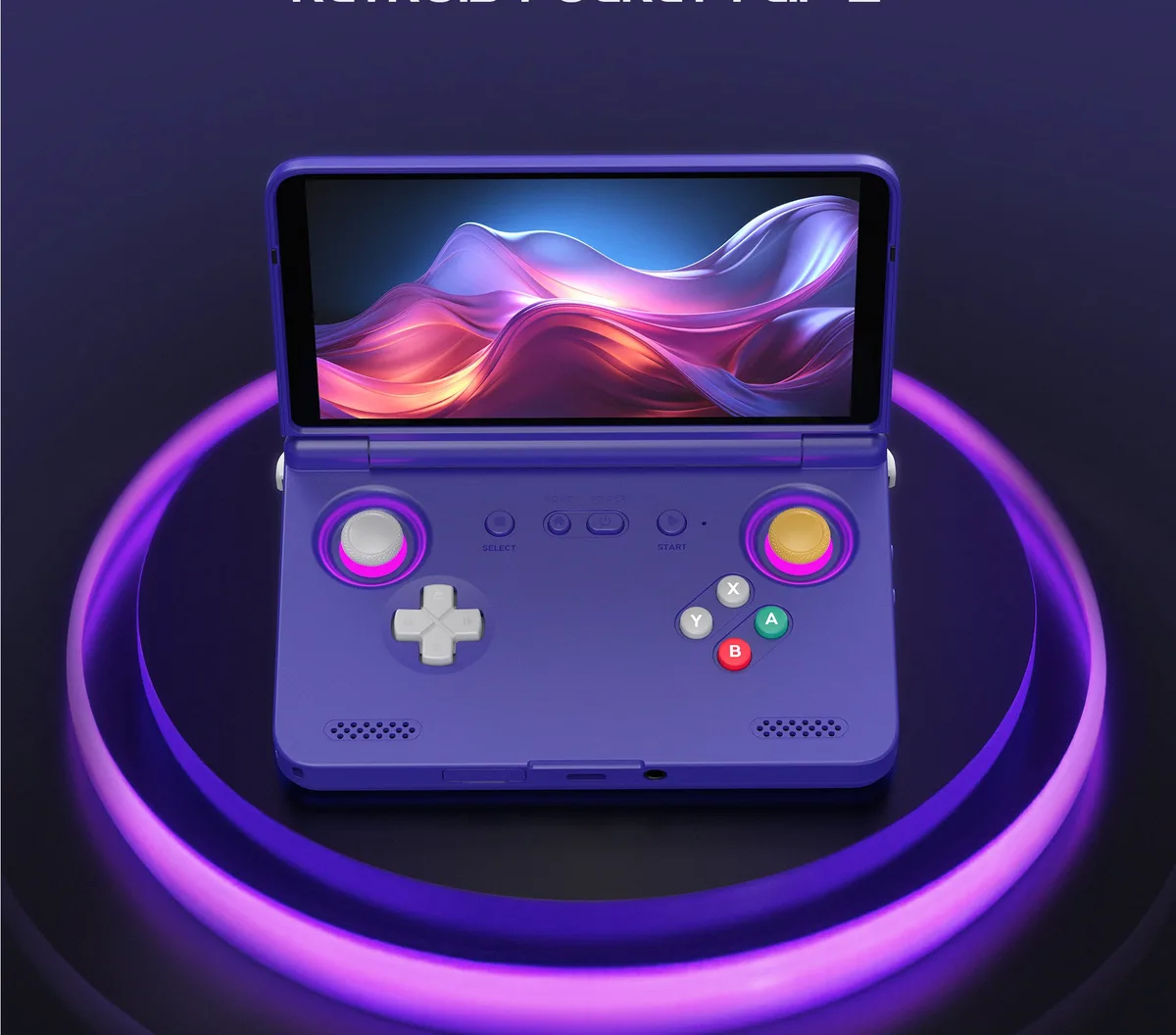
5. Retroid Pocket Flip 2: the SD865 version only
The spec list on Retroid's page covers the SD865 version, and its figures match the Pocket 5: the same core layout, the same Adreno 650, the same RAM conflict (8GB on the spec image, 12GB in the page text) and the same 5000 mAh. It is listed at 306g. A D1100 version is sold on the same page at a lower price ($149 against $189), but the maker gives no spec list for it and we do not rank it here. Read the Flip 2 page or the Flip 2 against Thor data page.
6. Anbernic RG556: the mid-tier outlier
The RG556 is the only mid-tier device here, and the stated hardware is why: a Unisoc T820 with cores up to 2.7GHz, a quad-core Mali-G57 at 850MHz, 8GB of LPDDR4X and a fan with a heat pipe. The maker pitches it at "30+ emulators" and names no system. It is a close match to the Pocket 5 on price ($179.99, with a $184.99 regular price shown, checked Oct 2026), with the same 8GB RAM figure as the Pocket 5 spec image. It states 331g and a 5500 mAh battery. See the RG556 page and the RG556 against Pocket 5 data page.
Devices we left out, and why
Some devices with strong-looking chip names sit outside this shortlist, which is built around the Snapdragon 8 Gen 2 and SD865 devices plus one mid-tier comparison. The AYN Odin 3 lists a Dragonwing Q8, an Adreno 830 GPU, 8GB to 24GB of RAM and active cooling, but it is not built on the Snapdragon 8 Gen 2 or SD865. The AYANEO Pocket S and Pocket DS list a Snapdragon G3x Gen 2 and a fan (the Pocket DS) or active air cooling (the Pocket S), and the Pocket S is Coming Soon with no price. We mention them so you know they exist, and you will find them in the Android guide. The Retroid Pocket 4 Pro is in the mid tier but lists the MTK D1100 and 8GB, so it is not in this shortlist, nor is the Anbernic RG405M (Unisoc Tiger T618, 4GB).
What to check before you buy
- Ask what the maker says it runs. If the page names no systems, as with all six here, then nothing on it is a promise.
- Look at the weight and battery you accept. The stated weights are 280g for the Pocket 5, 306g for the Flip 2, 331g for the RG556, 380g for the Thor and 430g for the Odin 2 Portal; the Pocket 6 gives a size but no weight.
- Match the configuration to the price. The Thor, Odin 2 Portal and Pocket 6 list several RAM figures under one headline price, so check which variant a price belongs to.
- Check the status of the page. The Thor was a pre-order page and the Odin 2 Portal Base in Black was backordered when checked.
- Allow for delivery. We have no verified UK prices, delivery times or import charges, and dollar prices will not include import VAT. The editorial policy explains why we do not estimate them.
How to choose
If you want the most hardware on paper, pick the Pocket 6 or a high-memory Thor. If you want the same chip with a bigger screen and battery and do not mind 430g, look at the Odin 2 Portal. If you want the same core layout as the Pocket 5 in a different body, look at the Flip 2. If you want the one that lists a fan with a heat pipe at a similar price, the RG556. For a wider spread of devices at all budgets, see the main buying guide.
Devices in this guide
AYN
Pre-orderAYN Thor
6 in Customized Full HD AMOLED touch screen (main); 3.92" AMOLED touch display (bottom) · 6000 mAh · Android 13
UK price not checked
AYN
AYN Odin2 Portal
7 in 7-inch 1080p 120Hz OLED with 3D curved touch glass cover · 8000 mAh · Android 13
UK price not checked
Frequently asked questions
- Which handheld is best for PS2 emulation?
- None of these makers states PS2 performance, and we have not tested any device. On stated hardware alone, the Retroid Pocket 6 is the only one of the six whose maker states LPDDR5x RAM, and it also states active cooling. The AYN Thor and Odin 2 Portal list the same 3.2GHz core layout, but the Thor states no cooling and the Odin 2 Portal is a 430g, 7 inch device. Treat the ranking as headroom on paper, not a promise.
- Does RAM matter for GameCube and PS2 emulation?
- The makers do not say how much RAM any system needs, so we can only compare stated figures: 8GB on the Retroid Pocket 5 and Flip 2 (SD865) spec images, where the page text says 12GB, 8GB or 12GB on the Pocket 6, 8GB on the RG556, 8GB to 16GB on the Thor and 8GB to 16GB on the Odin 2 Portal. Memory type is also stated: LPDDR5x on the Pocket 6 against LPDDR4x or LPDDR4X on the others. More is headroom, not a guarantee.
- Is a fan worth having in a handheld?
- Retroid lists active cooling on the Pocket 6, Pocket 5 and Flip 2, AYN lists it on the Odin 2 Portal, and Anbernic lists a fan with a heat pipe on the RG556. The AYN Thor page states no cooling. The makers give no temperatures, noise levels or sustained-performance figures, so we cannot say how much difference cooling makes. Use the stated fan as a feature to compare, and ask the maker for detail if it matters to you.
- Are the prices shown in pounds?
- No. They are the makers' dollar figures, checked Oct 2026, mostly without a named currency, and we have not converted them. UK prices have not been checked yet, and the figures do not include delivery, import VAT or any customs charge on a purchase from outside the UK. Treat them as a way to compare the six devices against each other, and check the total at the checkout before ordering.
- Which of these has the biggest battery?
- The AYN Odin 2 Portal states 8000 mAh, the largest here, at 430g and with 27W charging. The Retroid Pocket 6 and AYN Thor state 6000 mAh, the Anbernic RG556 states 5500 mAh and the Retroid Pocket 5 and Flip 2 state 5000 mAh. Only the RG556 states battery life in hours (8 hours), without saying how it was measured. Capacity in mAh is not the same as hours of play, so compare it with weight and screen size.
Sources
More from Guides
Guides
Retro handheld chips explained: H700, Snapdragon and more
Decodes the chip names makers list on retro handhelds, explains our entry, mid, high and flagship tiers, and says what those tiers cannot tell you.
8 min read
Guides
microSD cards for retro handhelds: sizes, classes and slots
What the card does in a retro handheld, what makers state about slots and maximum sizes, and what the SD Association capacity and speed labels mean.
7 min read
Guides
IPS vs OLED vs LCD retro handheld screens: stated labels and figures
Compares the IPS, OLED and LCD labels across 34 retro handhelds, with stated sizes and resolutions and pixel density worked out from the maker's figures. It does not explain how the panel types work.
7 min read