What is a retro handheld? Kinds, systems and what to expect
A definition-first guide to retro handhelds: the kinds by shape and operating system, what they can and cannot do, and where a first-time buyer should start.
By Sepehr Sabbagh-pourPublished 14 Oct 2026Updated 9 Nov 20267 min read

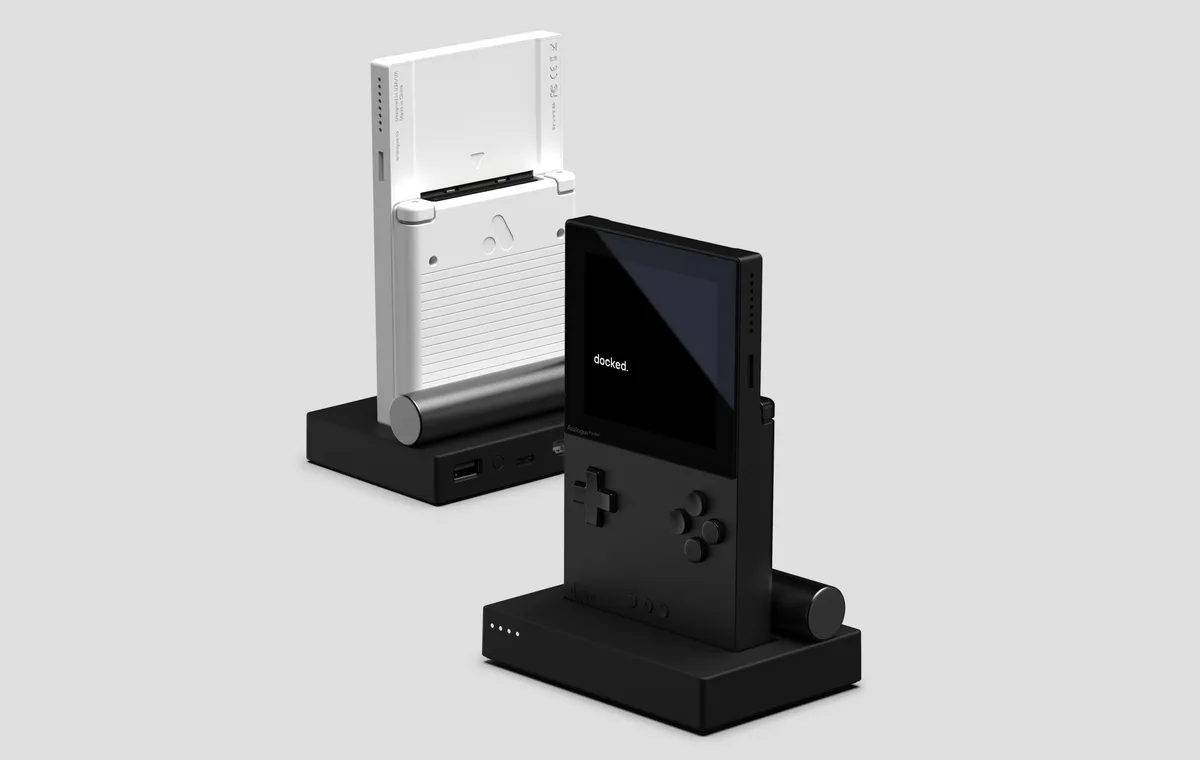
A retro handheld is a pocket-sized games device built to play older games. Most list Android or Linux and talk about emulators, but the Analogue Pocket plays original cartridges, and its maker says it is engineered in FPGAs with no emulation. This guide sorts the devices we cover into kinds.
Everything here comes from maker pages and standards bodies. We have not handled any of these devices, so we describe stated figures and mark what a maker leaves out. See how we research for the method.
What exactly is a retro handheld?
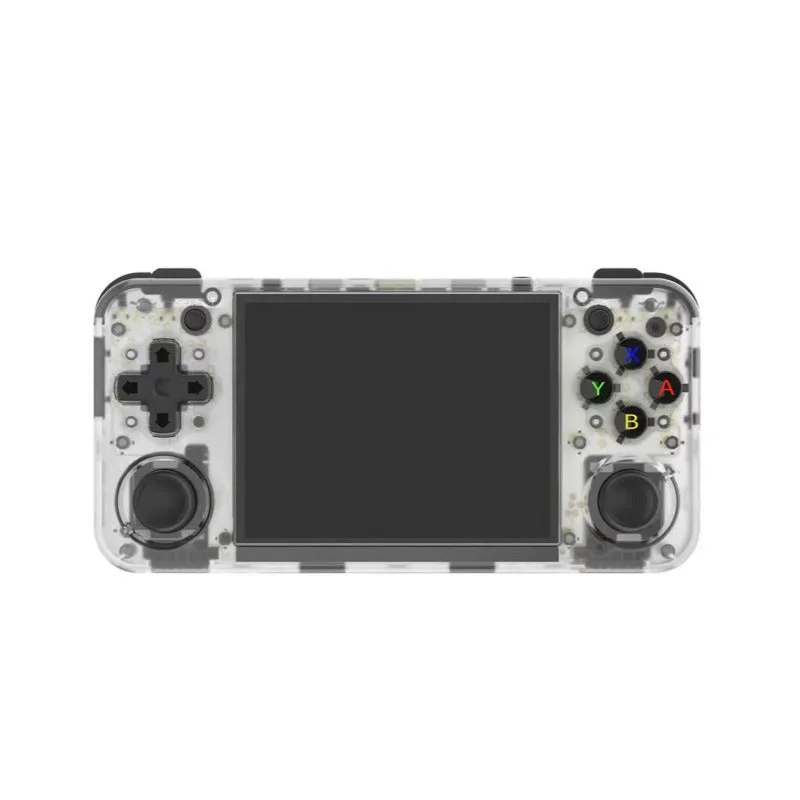
Of the 34 devices in the retro handheld catalogue, 31 list Android, Linux or both as their operating system, the Analogue Pocket lists PocketOS, and the Miyoo Flip V2 and ModRetro Chromatic state no operating system. The libretro project lists RetroArch as one of its frontends, and says each "core" is a back-end that exchanges messages with a frontend (libretro). That split is why one device can run many systems: the frontend stays the same and the core changes.
Makers word emulator support loosely: the RG35XX H page says "ported games and other 30+ emulators", and the RG28XX page says "Support 30+ emulators", but neither names a system. Where a maker does name systems, as Miyoo does for NES, SNES and GBA on the Mini Plus, we repeat only those names.
What can you expect from one, and what not?
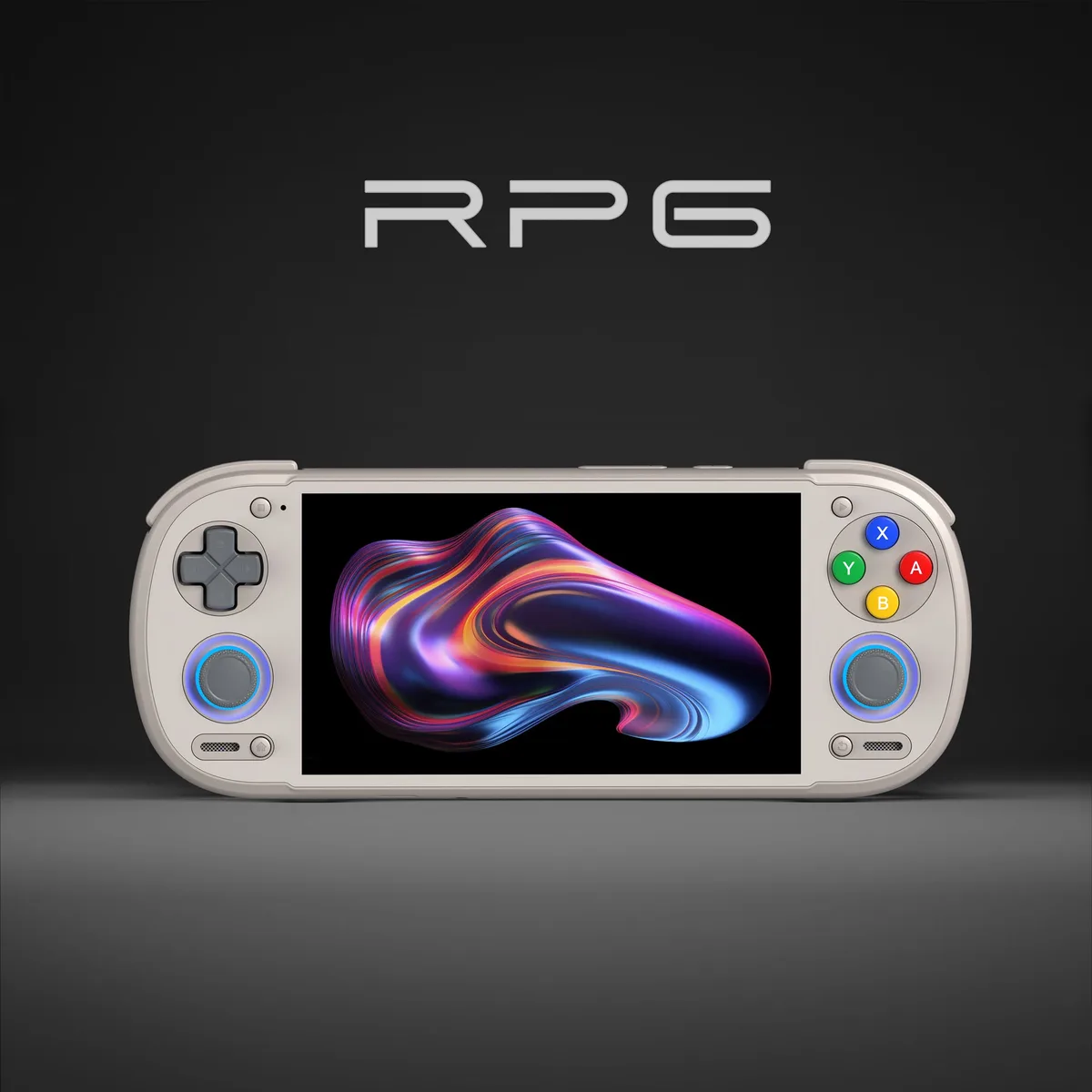
Every device in the catalogue except the ModRetro Chromatic, which runs on three AA batteries, lists a battery capacity, and every one lists a screen size. Beyond that, the stated figures decide a lot, and makers differ in how much they state. The Retroid Pocket 6 page lists a 5.5 inch AMOLED screen at 1080p and 120Hz, a 6000 mAh battery and Wi-Fi 7. The Miyoo A30 page lists a 2.8 inch 640 x 480 IPS screen, 512MB of RAM and a 2600 mAh battery, and says nothing about weight or Bluetooth.
You should not expect any maker page to promise that a particular system or game will run well. The Retroid and AYN pages in the catalogue do not state which systems they run, and Anbernic's pages name emulator counts without listing the systems. Treat any claim about how a device handles a demanding system as unsourced unless you can see where it came from.
You also need to supply your own games. The Analogue Pocket's maker gives a library figure of 2,780+ games, but those are played from cartridges you supply yourself. We do not explain where to find game or BIOS files.
Price is the other wide gap. Among the headline prices the makers show, the lowest is $36.99 for the Anbernic RG28XX and the highest is $579 for the AYANEO Pocket DS base configuration (both checked Oct 2026), a spread of about 16 times. Several makers show no price at all.
What kinds of retro handheld are there?
By shape and screen
The screen shape affects which games suit the device.
- Small screen: the RG35XX H lists a 3.5 inch 640 x 480 IPS screen and a weight of 180 g. A 640 x 480 screen is 4:3, which suits 4:3 systems better than widescreen games.
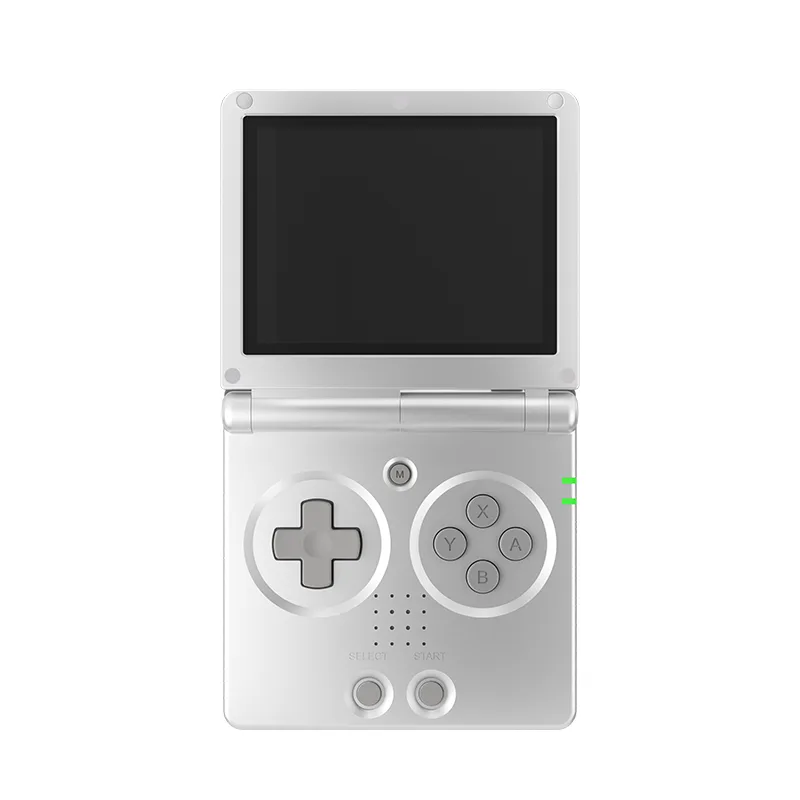
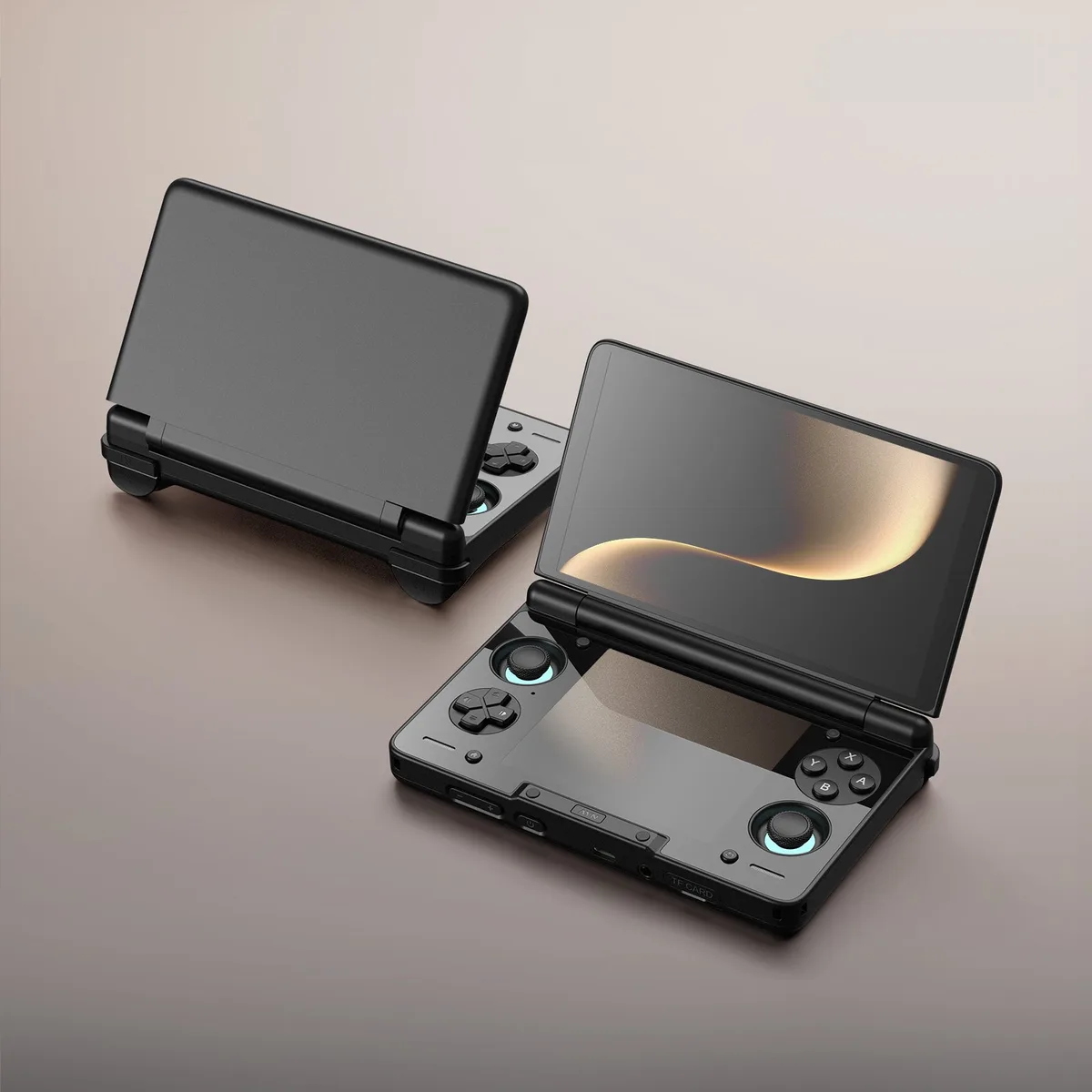
- Clamshell: the maker pages for the RG35XX SP and RG34XXSP describe a clamshell design. The SP page lists a magnetic lid and Hall switch; the RG34XXSP page says its Hall magnetic switch sleeps the device when the lid is closed.
- Square screen: the RG CubeXX and Powkiddy RGB30 list 720 x 720 screens, and Anbernic gives the CubeXX a 1:1 aspect.
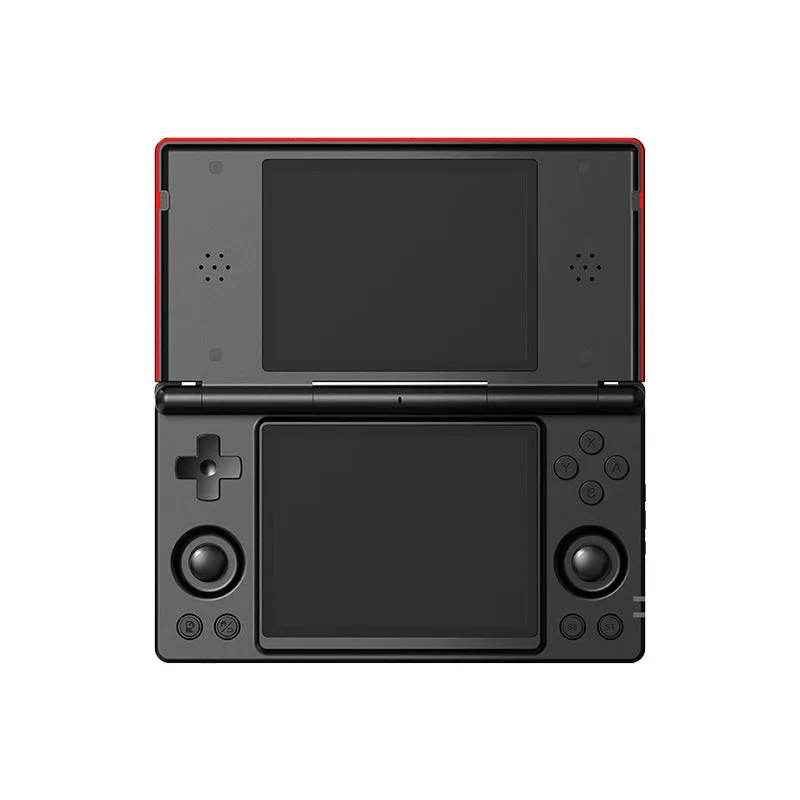
- Two screens: the RG DS has two 4 inch 640 x 480 touch screens with stylus support, and the AYN Thor pairs a 6 inch AMOLED main screen with a 3.92 inch AMOLED touch display.
- Large, widescreen: the Anbernic RG556 lists a 5.48 inch AMOLED at 1080 x 1920, and the Retroid Pocket 5 lists a 5.5 inch AMOLED at 1080p.
- Cartridge based: the Analogue Pocket, with a 3.5 inch 1600 x 1440 screen.
Two examples show why shape matters, using arithmetic from stated resolutions only. A 4:3 picture shown at full height on a 1920 x 1080 screen is 1440 wide, leaving 480 columns of bar in total, 240 each side. On a 720 x 720 screen the same picture is 720 wide and 540 tall, leaving 180 rows of bar, 90 above and 90 below. A 1080p panel also has 2,073,600 pixels against 307,200 on a 640 x 480 screen, 6.75 times as many.
By operating system
The operating system decides how you install software and update the device. Our catalogue records these situations. Sixteen devices list Linux, including the RG35XX SP, Miyoo Mini Plus and Powkiddy V10. Fourteen list Android, including the Retroid Pocket Flip 2, AYN Odin 3 and Mangmi Air X; that group includes the RG353V, which lists Android 11 plus Linux. The RG DS lists "Android 14/Linux 64-bit", the Analogue Pocket lists PocketOS, and two devices state none. The full comparison is in Android vs Linux retro handhelds.
By chip
Nine Anbernic devices list the same H700 with four Cortex-A53 cores at 1.5GHz. At the other end, the Retroid Pocket 6 lists a Snapdragon 8 Gen 2. The Analogue Pocket lists two FPGAs, and does not name the model. We group chips into tiers, explained in retro handheld chips explained, but a tier is a label for the stated hardware and not a promise about any game. In our grouping 19 of the 34 devices are entry tier, 4 are mid, 2 are high and 6 are flagship, and 3 are left ungrouped because the maker states too little.
What to have besides the device
- A memory card. Many makers list a TF (microSD) slot and some include a card. The RG35XX H lists a 64GB card with dual slots up to 512GB each; the RG DS spec line reads "3+32GB", which we read as 3GB of RAM and 32GB built in, plus a slot up to 2TB.
- Your own games. Nothing on the maker pages we cite supplies them, and AYN states that no games are preinstalled on the Thor and Odin 3.
- A charger and cable. Charging figures differ, for example 5V/1.5A on the RG35XX H and 27W on the Retroid Pocket 5, so check what is in the box.
How to read a maker's claims
Three habits help with any page. First, separate a stated figure from a promise: a 3300 mAh battery is a stated figure, while "8 hours" is a claim that comes without a method on the Anbernic pages. Second, look for the blanks. The Miyoo Mini Plus page states no RAM, weight or dimensions, and the Analogue Pocket gives size only as a drawing. Third, check conflicts: the Retroid Pocket 5 page text says 12GB of RAM while its spec image says 8GB, and we use the lower figure until the maker resolves it.
Where should a first-time buyer start?
Start with the games you want to play, then work back to the screen. A 640 x 480 screen is 4:3 by arithmetic, which suits older 4:3 systems; a 1080p panel is 16:9, which leaves more room for widescreen images. Next, decide whether you prefer a Linux device or an Android device, then check the card slot and any stated maximum card size (see microSD cards for retro handhelds).
On cost, the makers' own stores list prices without naming a currency. As of 14 October 2026 the Anbernic RG35XX SP page shows $57.99 and the Retroid Pocket 6 page shows $244 and $229 for the 8GB model and does not say which is current, both as stated by the makers. UK prices are not checked yet, we do not convert them, and a dollar price will not include delivery or import VAT. The shortlist guides are best retro handhelds and best budget retro handhelds; a step-by-step checklist is in how to choose a retro handheld.
Finally, read the gaps. When a page does not state a weight, Wi-Fi version or card slot, we say so on the device page, and you should ask the maker before relying on it. Our editorial policy explains why we never fill those gaps from memory.
Devices in this guide
Anbernic
Anbernic RG35XX H
3.5 in IPS, OCA full lamination · 3300 mAh · Linux 64-bit
UK price not checked
Anbernic
Anbernic RG35XX SP
3.5 in IPS, full viewing angle, OCA full lamination · 3300 mAh · Linux 64-bit
UK price not checked
AYN
Pre-orderAYN Thor
6 in Customized Full HD AMOLED touch screen (main); 3.92" AMOLED touch display (bottom) · 6000 mAh · Android 13
UK price not checked
Anbernic
Anbernic RG DS
4 in IPS, OCA full lamination, multi-touch, supports capacitive stylus (two screens) · 4000 mAh · Android 14/Linux 64-bit
UK price not checked
Frequently asked questions
- Is a retro handheld the same as an emulator?
- Not exactly. Most retro handhelds run emulation software such as RetroArch cores, but the device is the hardware and the emulator is the software that runs on it. The libretro project describes each core as a back-end that exchanges messages with a frontend such as RetroArch. The Analogue Pocket is a different case: its maker says it is engineered in FPGAs with no emulation and plays original Game Boy, Game Boy Color and Game Boy Advance cartridges, so you need cartridges for it.
- Do retro handhelds come with games?
- Makers differ and some state nothing. AYN says no games are preinstalled on the Thor and Odin 3. The Anbernic pages we cite describe ported games and 30+ emulators without naming systems, and several list a memory card in the bundle, but a card is storage and not a promise of any game. For any device, check what the maker's page says is in the box or on the card before you buy, and plan to supply your own games.
- Are retro handhelds Android or Linux?
- Both exist. In our catalogue of 34 devices, 16 list Linux (the Anbernic RG35XX family among them) and 14 list Android (the Retroid Pocket line among them, plus the Anbernic RG353V, which lists Android 11 plus Linux). The Anbernic RG DS lists both, the Analogue Pocket lists PocketOS, and the Miyoo Flip V2 and ModRetro Chromatic state no operating system. The choice changes how you install software and update the device.
- What screen suits older games?
- A 640 x 480 screen is 4:3, which suits 4:3 systems better than widescreen games. Square 720 x 720 panels and 1080p AMOLED panels also exist in the catalogue, so match the screen to the games you want. As arithmetic, a 4:3 picture at full height on a 1920 x 1080 screen leaves 480 columns of bar in total, and on a 720 x 720 screen it leaves 180 rows. The makers do not state how they scale a picture, so check before you buy.
- How much does a retro handheld cost?
- Among the headline prices the makers show, checked Oct 2026, the lowest is $36.99 for the Anbernic RG28XX and the highest is $579 for the AYANEO Pocket DS base configuration. Most figures are dollars with no currency named, and some makers show no price. We have not checked UK prices or converted anything, and a price from a maker outside the UK can attract delivery and import charges. Use the figures to compare devices with each other, not as a UK total.
Sources
More from Guides
Guides
Retro handheld chips explained: H700, Snapdragon and more
Decodes the chip names makers list on retro handhelds, explains our entry, mid, high and flagship tiers, and says what those tiers cannot tell you.
8 min read
Guides
microSD cards for retro handhelds: sizes, classes and slots
What the card does in a retro handheld, what makers state about slots and maximum sizes, and what the SD Association capacity and speed labels mean.
7 min read
Guides
IPS vs OLED vs LCD retro handheld screens: stated labels and figures
Compares the IPS, OLED and LCD labels across 34 retro handhelds, with stated sizes and resolutions and pixel density worked out from the maker's figures. It does not explain how the panel types work.
7 min read