Valve
Valve Steam Deck OLED
7.4 in HDR OLED, 1280 x 800, up to 90Hz · SteamOS 3 (Arch-based)
UK price not checked
The chips in six handheld PCs, as the makers state them: cores, threads, boost speed, graphics and power range, with no performance claims.
By Sepehr Sabbagh-pourPublished 16 Oct 2026Updated 9 Nov 20267 min read

A handheld PC chip is the processor and graphics inside devices such as the Steam Deck OLED. The six handheld PCs here each use a different one: four AMD Ryzen names, Valve's unnamed APU and Intel's Arc G3 Extreme. Makers state cores, clocks and power, not comparable benchmarks, so this guide makes no performance claims.
It lays out what Valve, ASUS, Lenovo and MSI each state on their own pages. We have not tested any device, and every figure below is the maker's.
| Device | Chip (maker's name) | Cores and threads | Speed stated | Graphics stated | Extra stated |
|---|---|---|---|---|---|
| Steam Deck OLED | 6 nm AMD APU (Zen 2) | 4 cores, 8 threads | 2.4 to 3.5GHz | 8 RDNA 2 compute units at 1.6GHz, 1.6 TFlops FP32 | APU power 4 to 15W |
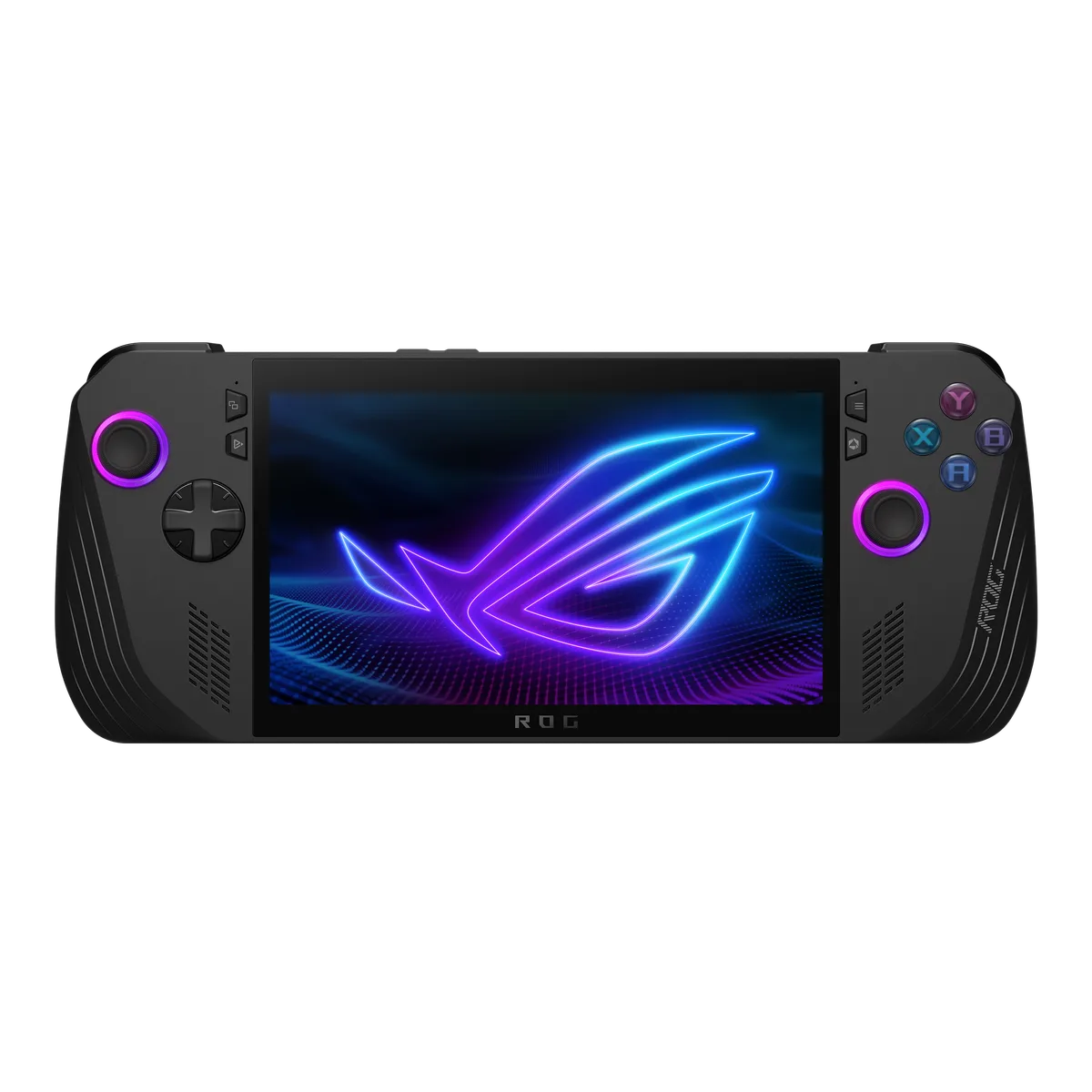
| ROG Ally X | Ryzen Z1 Extreme (Zen 4, 4nm) | 8 cores, 16 threads | Up to 5.10 GHz boost, 24MB cache | 12 RDNA 3 CUs, up to 2.7 GHz, up to 8.6 Teraflops | TDP 9 to 30W |
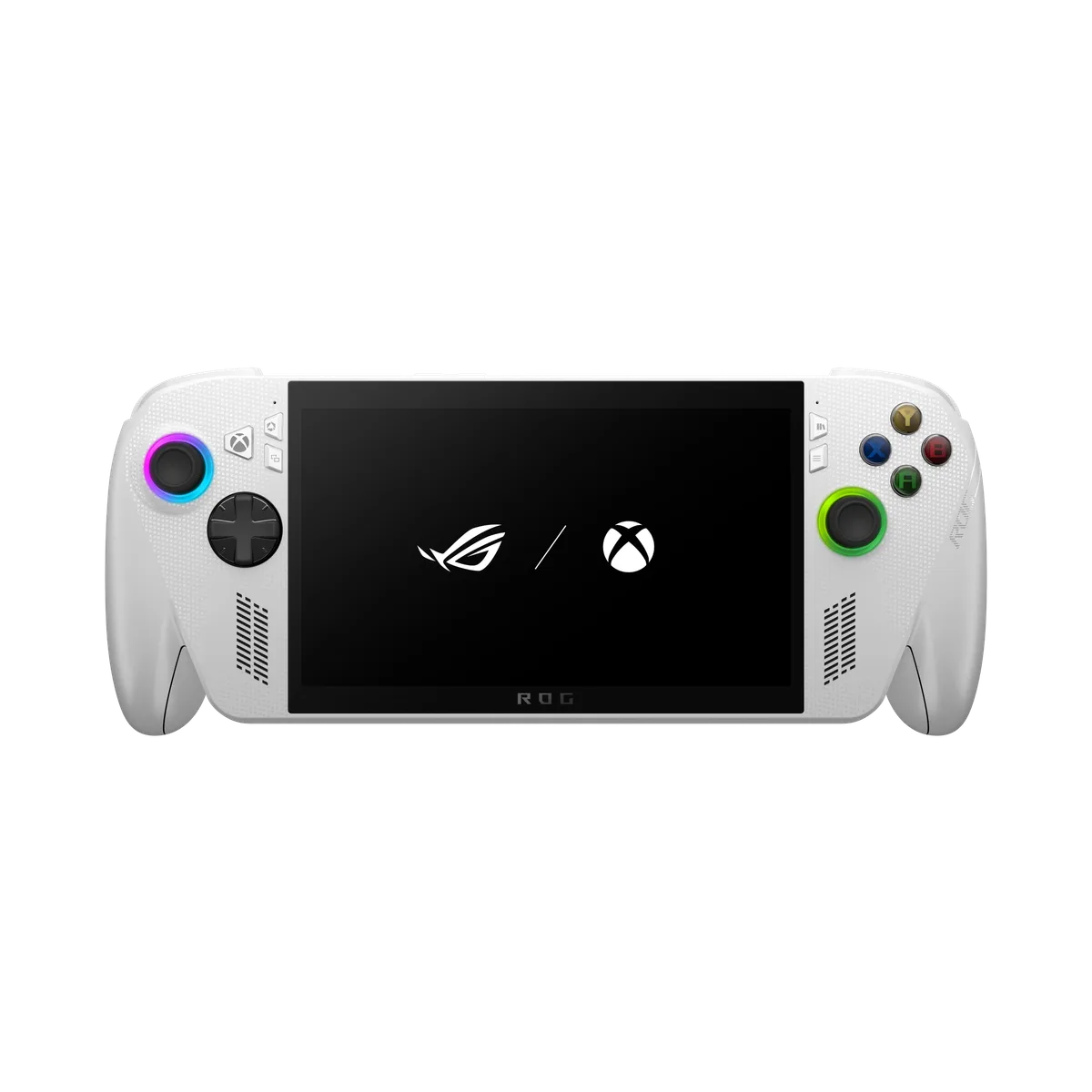
| ROG Xbox Ally | Ryzen Z2 A | 4 cores, 8 threads | 2.8GHz, up to 3.8 GHz, 6MB cache | AMD Radeon Graphics (no figures) | None stated |
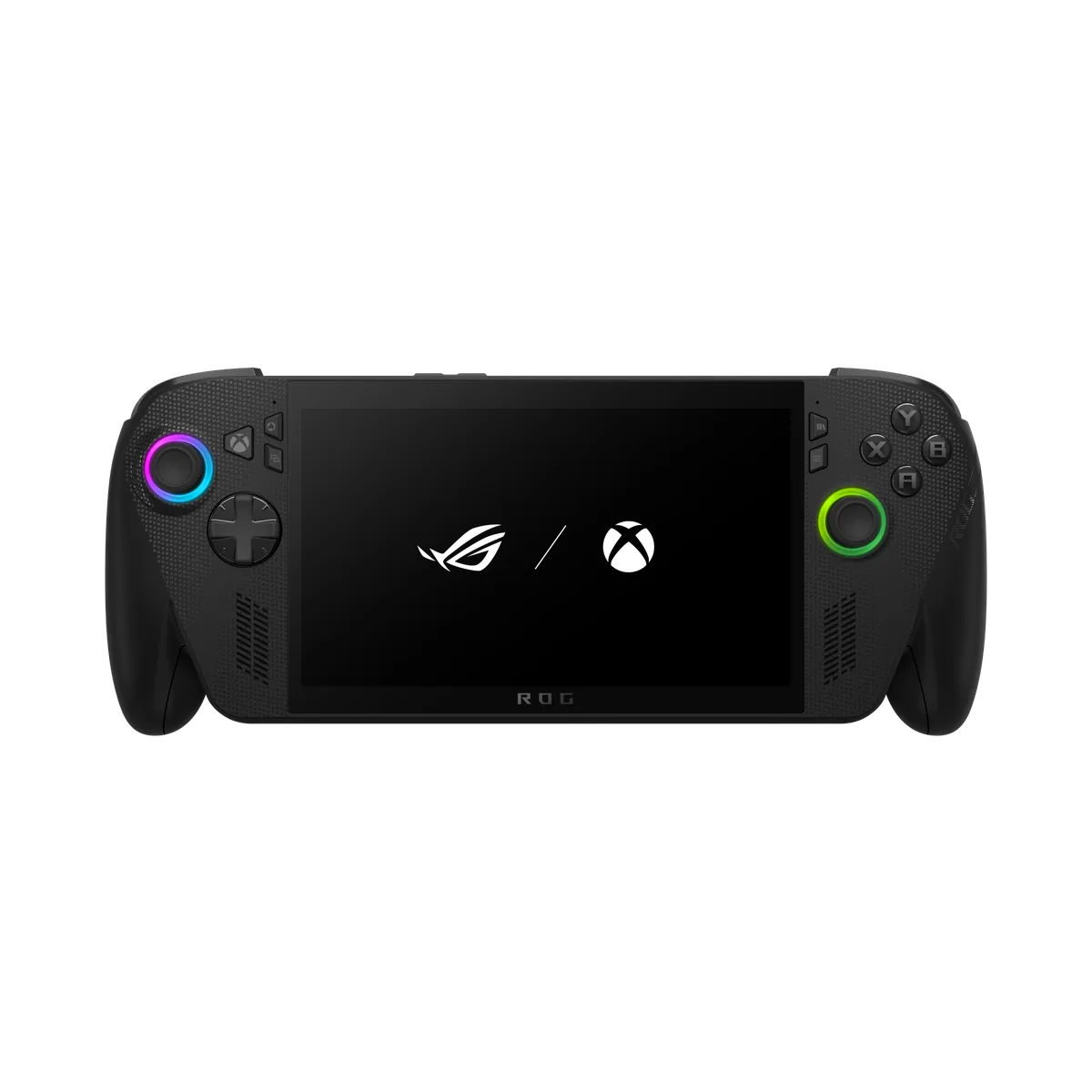
| ROG Xbox Ally X | Ryzen AI Z2 Extreme | 8 cores, 16 threads | 2.0GHz, up to 5.0GHz, 24MB cache | AMD Radeon Graphics (no figures) | XDNA NPU up to 50TOPS |
| Legion Go Gen 2 | Ryzen Z2 Extreme (Zen 5) | Up to 8 cores, 16 threads | Not stated | Radeon 890M, RDNA 3.5-based | None stated |
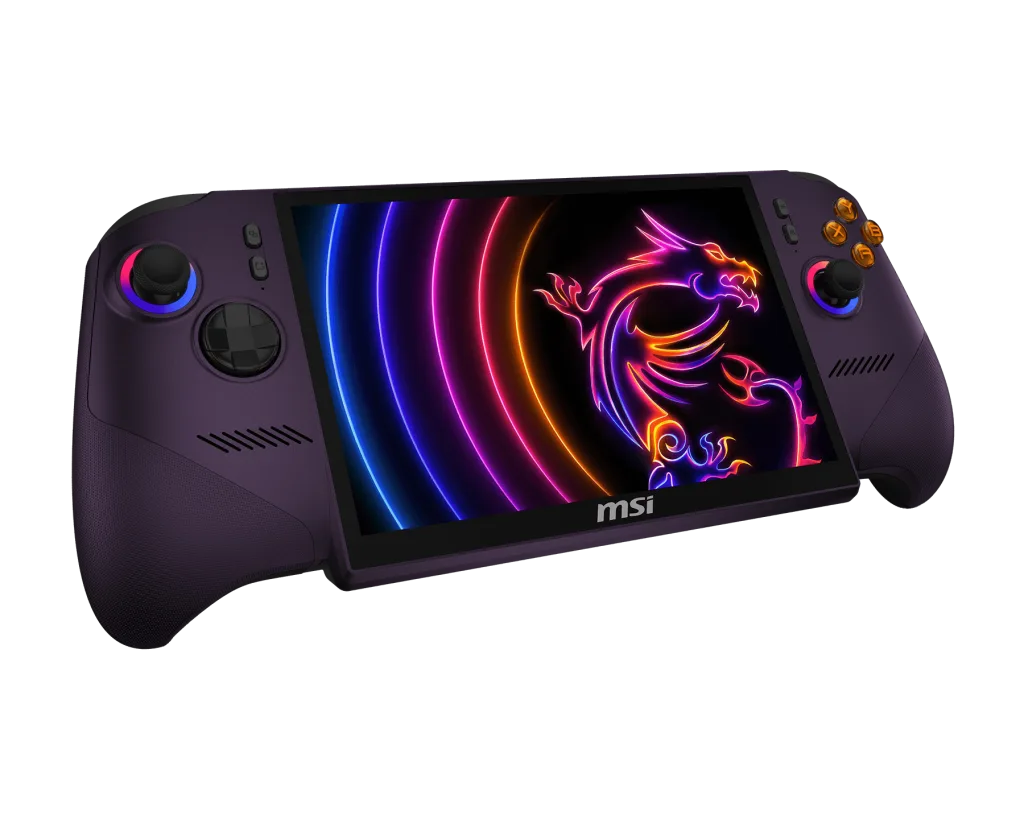
| MSI Claw 8 EX AI+ | Intel Arc G3 Extreme | 14 cores, 14 threads (2 P, 8 E, 4 Low Power E) | 12 MB cache, max turbo 4.7 GHz | Intel Arc GPU B390 | Up to 46 NPU TOPS |
The gaps in that table are as informative as the figures. Lenovo gives no clock speed, ASUS gives no compute-unit count or teraflop figure for either Xbox Ally, and only Valve and ASUS (for the Ally X) state a power range for the chip.
A core is one processing unit inside the chip, and a thread is a stream of work a core can handle. A chip listing 8 cores and 16 threads, such as the Z1 Extreme, can keep more tasks in flight than one listing 4 cores and 8 threads, such as the Z2 A or the Steam Deck's APU, but the figures alone do not tell you how any game will run. The Intel chip is described differently: MSI lists 14 cores split into 2 P-cores, 8 E-cores and 4 Low Power E-cores, with 14 threads, so its core count is not directly comparable to the AMD figures.
For the retro side of the same ideas, retro handheld chips explained covers Allwinner, Rockchip and Snapdragon parts, and how to read handheld specs defines RAM and refresh rate.
ASUS and Lenovo use the Z1 and Z2 labels. ASUS states a Ryzen Z1 Extreme for the ROG Ally X, a Ryzen AI Z2 Extreme for the ROG Xbox Ally X and a Ryzen Z2 A for the ROG Xbox Ally. Lenovo states a Ryzen Z2 Extreme with a Zen 5 CPU. ASUS and Lenovo use different names for what sound like related parts (Ryzen AI Z2 Extreme versus Ryzen Z2 Extreme), and neither page says the two are the same chip, so we do not claim they are.
Within ASUS's own line-up the stated gap is clear: the Z2 A has 4 cores and a 3.8GHz boost, while the Z2 Extreme has 8 cores and a 5.0GHz boost, and ASUS lists a larger cache on the second (24MB against 6MB). The ROG Xbox Ally and ROG Xbox Ally X share a 7 inch 1920 x 1080 panel at 120Hz, so the chip, memory (16GB against 24GB) and battery (60WHrs against 80WHrs) are where ASUS's own pages separate them.
An APU is a chip that combines CPU and graphics. Valve's tech specs describe a 6 nm AMD APU with a Zen 2 CPU and a graphics unit of 8 RDNA 2 compute units at 1.6GHz, with APU power of 4 to 15W. Valve does not give it a retail product name. It shares the lowest core count here with the Z2 A, at 4 cores and 8 threads, and the Steam Deck OLED pairs it with 16 GB of LPDDR5 on board.
Valve's graphics figure (1.6 TFlops FP32) and ASUS's for the Ally X (up to 8.6 Teraflops) are both maker numbers, but the two pages do not say they were calculated the same way, so treat the gap as a pointer to look closer, not a ratio to quote.
Valve states 4 to 15W for the APU and ASUS states a 9 to 30W TDP for the Z1 Extreme. TDP (thermal design power) is a power rating the maker gives for the chip. A higher ceiling means the chip can use more of the battery's energy; for the batteries, the Steam Deck lists 50Wh and the ROG Ally X 80Wh. Valve is the only maker here that turns battery into hours, stating 3 to 12 hours depending on content. MSI, Lenovo and the other two ASUS models do not state a power range for their chips.
A short worked example shows why the ceiling matters. Dividing battery by chip ceiling gives 50Wh / 15W = 3.3 hours for the Deck and 80Wh / 30W = 2.7 hours for the Ally X. That is arithmetic on two stated figures, not a battery-life estimate: it ignores the screen, memory, wireless and every lower power setting, and neither maker publishes such a figure for the Ally X. Its use is only to show that a bigger battery and a higher chip ceiling can cancel out.
A chip is one row of a spec sheet. These are the other rows the makers state for the same six devices.
| Device | Memory | Battery | Weight |
|---|---|---|---|
| Steam Deck OLED | 16 GB LPDDR5 | 50Whr | 640 g |
| ROG Ally X | 24GB LPDDR5 | 80WHrs | 678 g |
| ROG Xbox Ally | 16GB LPDDR5 | 60WHrs | 670 g |
| ROG Xbox Ally X | 24GB LPDDR5X | 80WHrs | 715 g |
| Legion Go Gen 2 | LPDDR5X, capacity not stated | 74WHr | 920 g with controllers |
| MSI Claw 8 EX AI+ | 32GB LPDDR5x | 80Whrs | 785 g |
Read across the rows and the pattern is plain. The two 4-core parts sit with the smaller memory and battery figures (16GB and 50 or 60 Wh) and the lowest weights, while the 8-core and 14-core parts sit with 24GB or more where stated and 74 to 80Wh, at 678 g or heavier. Lenovo's 920 g includes the detachable controllers. This is a pattern in stated figures, not a verdict on any device.
Two makers list an NPU, a part of the chip aimed at AI tasks, with a rating in TOPS (trillions of operations per second): up to 50TOPS on the ROG Xbox Ally X's XDNA NPU and up to 46 on the MSI Claw's Arc G3 Extreme. These are the makers' own peak ratings, and the pages do not describe a gaming benefit. Treat them as a spec to note, not a reason to buy.
Reasoning only from the stated figures, three sensible groupings emerge.
The Legion Go Gen 2 and MSI Claw 8 EX AI+ are the larger, heavier options in this set, and Lenovo's page leaves out RAM and clock figures altogether.
Match the chip to what the rest of the spec sheet says. A higher core count only matters if you also have the RAM, battery and cooling to support it; compare those in best PC handhelds in the UK and Steam Deck OLED vs ROG Ally X. For where software fits in, read SteamOS vs Windows on handheld PCs and what a handheld gaming PC is. Our method, the PC handheld articles and the guides hub give more.
Valve
7.4 in HDR OLED, 1280 x 800, up to 90Hz · SteamOS 3 (Arch-based)
UK price not checked
ASUS
7 in 7-inch FHD (1920 x 1080) IPS-level touchscreen, 120Hz · Windows 11 Home
UK price not checked
ASUS
7 in 7-inch FHD (1920 x 1080) IPS-level touchscreen, 120Hz · Windows 11 Home
UK price not checked
ASUS
7 in 7-inch FHD (1920 x 1080) IPS-level touchscreen, 120Hz · Windows 11 Home
UK price not checked
MSI
Sold out8 in 8" FHD+ (1920 x 1200) IPS-level touchscreen, 120Hz, VRR · Windows 11 Home
UK price not checked
Lenovo
8.8 in 8.8-inch Lenovo PureSight OLED Gaming display, 16:10, 144Hz VRR · Windows 11 (the page also describes SteamOS)
UK price not checked
PC Handhelds
The Steam Deck OLED lists SteamOS, a 7.4 inch OLED and 640 g; the ROG Ally X lists Windows 11, a 7 inch 1080p 120Hz panel and an 80Wh battery.
7 min read
PC Handhelds
Valve lists SteamOS 3 on the Steam Deck OLED; ASUS and MSI list Windows 11 Home; Lenovo describes both. Here is what each maker says.
8 min read
PC Handhelds
A handheld gaming PC is a portable computer with built-in controls, running a full PC operating system. Here is how that differs from retro handhelds and consoles.
8 min read